The Story Behind IFE Bridge
Born from frustrating flights and creative problem-solving at 35,000 feet
The Long-Haul Flight That Started It All
"I was stuck on a 14-hour flight with my AirPods Pro, a great movie selection, and absolutely no way to connect them."
It was supposed to be a simple pleasure: settle into my seat, pop in my wireless earbuds, and enjoy the in-flight entertainment. But like millions of travelers, I discovered that modern wireless headphones and airplane IFE systems don't speak the same language.
The seat-back screen taunted me with dozens of movies I wanted to watch. My AirPods sat useless in their case. The airline's cheap earbuds were uncomfortable and sounded terrible. I tried the Bluetooth transmitter dongles, but they were either sold out, bulky, or required carrying yet another device and keeping it charged.
Somewhere over the Pacific, staring at the flight map with nothing to do, I had a realization: my iPhone already had everything needed to solve this problem. It could receive audio via USB, process it, and output it over Bluetooth. It was already in my pocket. It was already charged. All it needed was the right software.
That was the moment IFE Bridge was born. By the time we landed, I had the architecture sketched out on a napkin. What started as a personal frustration became a mission to help every traveler use their own premium headphones in the sky.
The Broken Seat That Inspired Seat Doctor
"The right channel was completely dead. Half my audio, gone. But I wasn't about to spend the next 10 hours in silence."
Another flight, another problem. This time, it wasn't about wireless connectivity. The seat's headphone jack was damaged. Audio only came through the left channel. Every movie, every song, every announcement, all playing in mono through one ear.
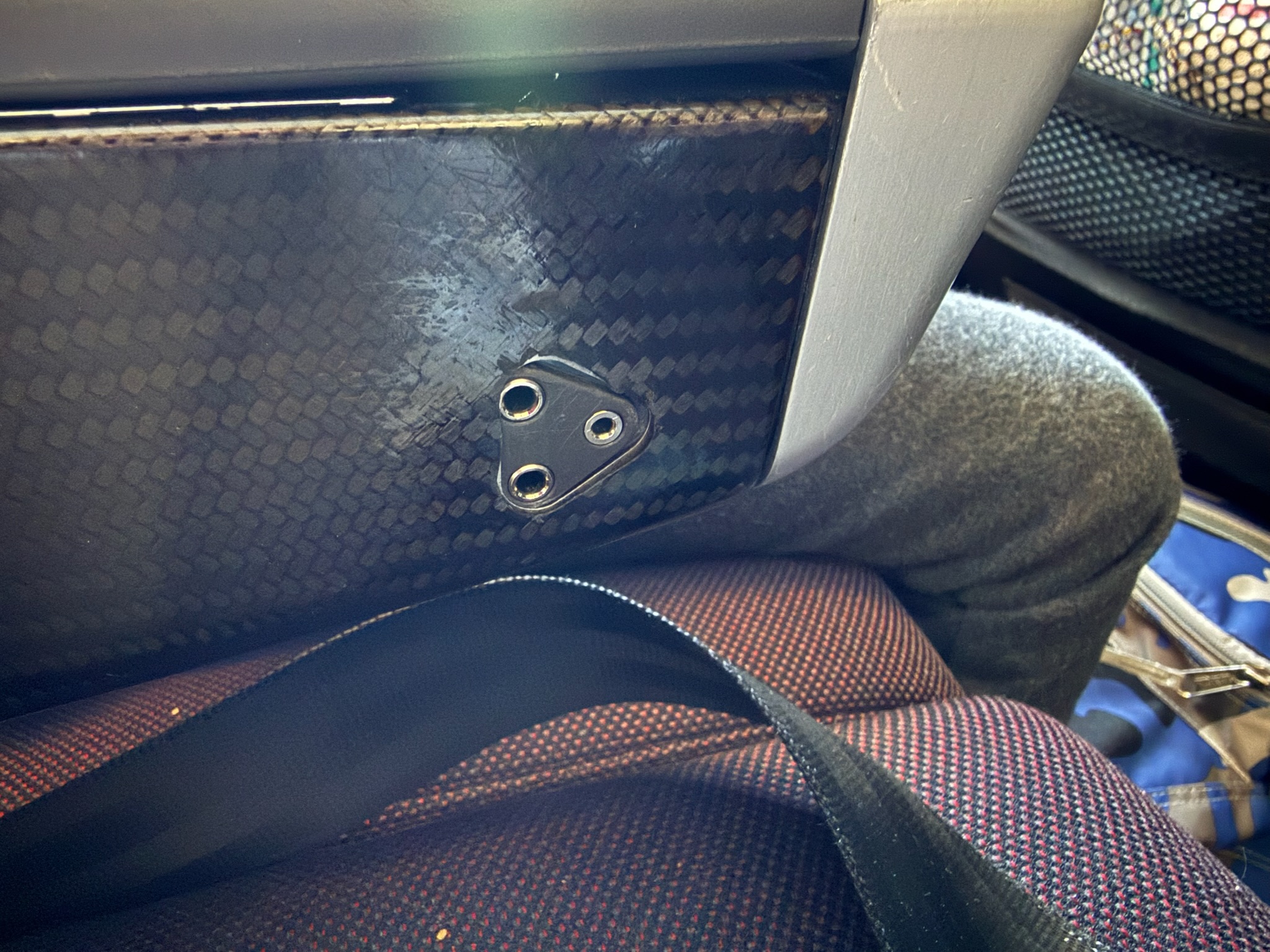
The culprit: a faulty seat audio jack with a dead channel
The flight attendants shrugged apologetically. "Sorry, maintenance can't fix it mid-flight. Would you like to move?" But the flight was full. I was stuck.
That's when the engineer in me took over. I had a multi-tool on my keychain. I had a cheap airplane headphone adapter. And I had 10 hours to kill. What if I could rewire the adapter to bridge the working channel to both ears?
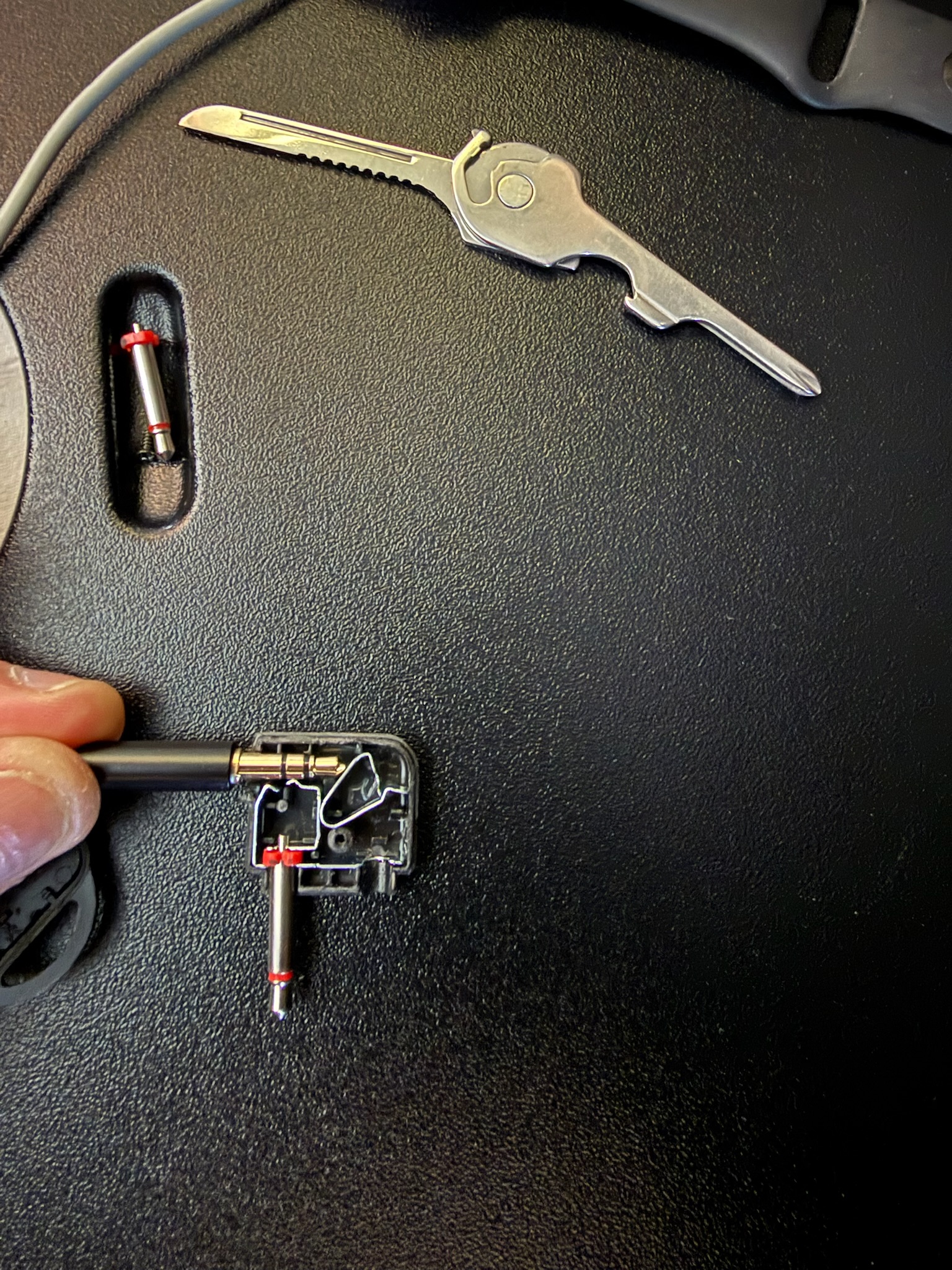
The hack: a disassembled adapter, a multi-tool, and determination
I cracked open the adapter, traced the wiring, and carefully bridged the left channel to feed both earpieces. It worked. Suddenly I had audio in both ears again. It wasn't stereo, but it was infinitely better than mono in one ear.
As I put away my makeshift tools and settled in to finally watch a movie, I thought: Why should anyone need to perform surgery on their adapter at 35,000 feet?
That flight gave birth to Seat Doctor. If IFE Bridge was already processing audio in real-time, why not add the ability to fix common seat problems in software? Mirror a working channel. Remove the electrical hum from damaged jacks. Boost quiet dialogue. All the fixes that would normally require hardware hacks or seat changes, now available with a tap.
No more improvised repairs. No more settling for broken audio. No more asking to move seats. Just tap a button and let software fix what hardware couldn't.
Our Mission
Every traveler deserves to use their own headphones. Every broken seat deserves a software fix. IFE Bridge exists to make in-flight entertainment actually enjoyable, using the device you already carry.
No settling for uncomfortable airline earbuds. No suffering through broken seats. Just your iPhone, your headphones, a cheap adapter, and the freedom to enjoy your flight.
Ready to Transform Your Flights?
Join the fellow travelers who've discovered a better way to fly.

Free to try TestFlight beta available